If you’ve ever wondered what unmasking means, here’s the simplest explanation: Unmasking is about recognising the parts of ourselves we suppress – consciously or unconsciously – to navigate the world safely.
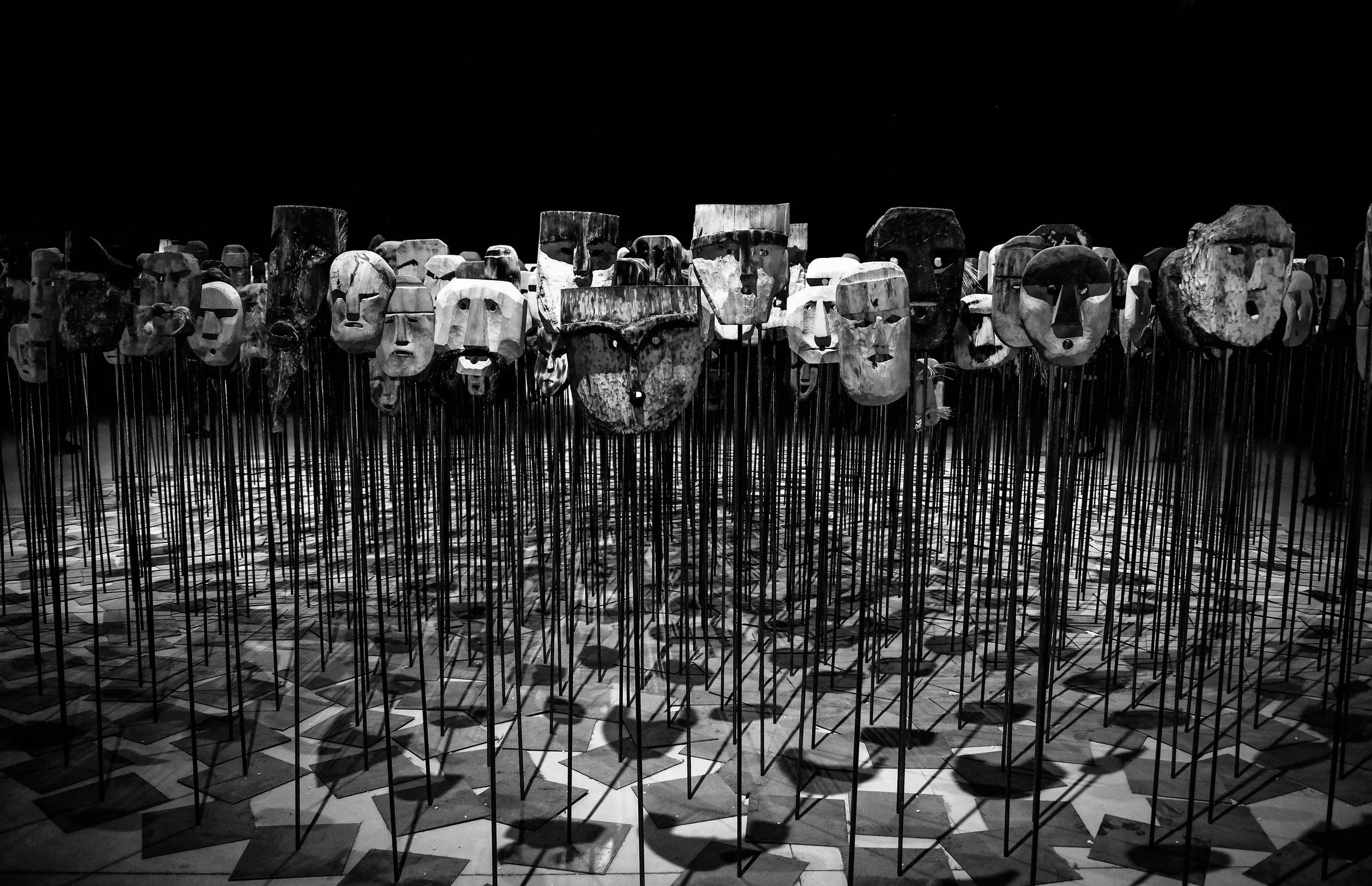
It comes from “masking”, a term coined by the Autistic community to describe the things we say, or do, or often don’t do, to fit in with the world and hide our Autistic traits. Masking looks different for everyone, but it often involves minimising parts of yourself that you think will get misunderstood or get a negative reaction from others.
It’s not unique to Autistic people; masking carries across to the entire Neurodivergent community in diverse ways.
What is “Masking”?
Masking is a way to cope or survive in spaces that feel unsafe to be yourself. Some people mask very consciously – planning out their actions and reactions to be as ‘normal’ as possible. In contrast, others internalise their masks until it feels almost instinctual to do certain things.
Why do we do it?
Whether it’s conscious or unconscious, masking often stems from negative experiences that teach us not to do what we’re doing. The people (or culture) we grow up in can teach us that a mask is necessary to be safe or accepted by our friends, family, or society as a whole. Bullying, trauma and abuse are some of the big reasons that can lead to masking, but there are smaller ones too. Noticing someone staring or frowning at you can be enough to make you question your behaviour. Being laughed at or asked, “Why are you doing that?” can trigger those anxious alarm bells and alter your actions.
At the end of the day, most of us want to be accepted, respected and loved by the people around us. If we’ve been taught (intentionally or not) that the things we do instinctively will get a bad reaction, we’ll train ourselves to stop (if we can).
What does masking look like?
Since each of us has unique ways of being in the world, our masks are exceptional too. But there are some common experiences shared by neurodiverse people that are more likely to be noticed by others and thus more likely to be policed.
Some types of masking include:
- Physical – Doing things with your body that don’t come naturally but seem to be expected, like maintaining eye contact when it makes you uncomfortable, or wearing constricting clothing even though it’s painful. Or avoiding doing things that no one else seems to need to do: like holding still when you’d rather pace and fidget, or staying quiet when you’d rather sing, or echo, or make noise.
- Social – Saying and doing things that seem to follow the ‘social norm’ and avoid being singled out as different. Rehearsing phrases or questions to use at a social event, mimicking body language, and not talking about your own interests for fear of being weird or boring.
- Emotions – Suppressing or hiding your feelings because they don’t feel appropriate or others will react badly to them. Lying when someone asks if you’re okay, punishing yourself in private for your feelings, or distracting yourself with tasks and avoiding negative feelings.
- Coping Strategies – Having things in place to try to mitigate or manage a bad situation. Like having breathing techniques to keep yourself calm in a crowd, or owning 8 planners to try and stay on top of your responsibilities. These aren’t bad on their own (learning to cope is useful), but it becomes a problem when the thing you’re ‘coping’ with is your daily life.
- Personal/Self identity – telling yourself that you’re lazy, or stupid, or not trying hard enough when you’re not able to do the things that you – or others – expect of you.
These are just a few examples; there are many ways to change or hide your neurodivergence. The biggest giveaway is how it makes you feel. And that brings us to the next question:

Doesn’t everyone change their behaviour to fit in?
Masking is not the same as playing pretend, being ‘professional’ or being different with your friends vs your family. These things come into play because the expectations of a workplace or a family can definitely involve pushing your needs down or minimising parts of yourself.
Try asking yourself:
1. Why are you doing this?
Masking is about fitting in, avoiding discomfort or harm, and conforming to expectations. It can be intentional or unconscious, but it’s about being the right kind of person, not just presenting a polite front for different situations. Masking is about feeling like what you’re doing is wrong, full stop, not that it isn’t appropriate for a specific audience.
2. How much are you doing this?
Not everyone masks all the time, or with everyone in their life, but masking often involves policing one’s behaviour much more strongly and more often than just playing a role. It’s not about obeying certain rules – like a dress code at school – or avoiding politics at the dinner table. Masking means suppressing or camouflaging important parts of yourself, sometimes your entire personality or identity. Some of us mask when alone, because the feeling of being wrong is so strong that anxiety hits regardless of whether someone is there to judge.
3. What’s the Impact on you?
Masking is exhausting. It can start slow but build and build to emotional exhaustion, anxiety, memory issues, sadness and depression, disconnecting with people, feeling like you don’t really exist or matter… there’s a whole term for it: Autistic Burnout (another one that was coined by the Autistic community but works just as well for an entire range of neurotypes).
You may be surprised to discover that being alive is not supposed to feel like that.
What would “unmasking” look like?
Therefore, we understand why we mask and have some ideas about what it looks like. Now, the question is: what do we do with it?
Here’s the key part: you get to choose which parts of yourself you share with others, when, and why. Unmasking doesn’t mean removing every protective behaviour you have, but it’s about being aware of what you do and why, so you can control how much you mask.
The truth is that masking all the time causes significant harm to most people. Masking is exhausting, drains energy and often, the things we mask are our natural reactions and coping strategies. The old view of neurodiversity was that our traits were negative or maladaptive behaviours, and we’d be better off without them. So, a lot of therapy focused on training people to suppress their behaviours.
Now we know better. Well, some of us do. We understand that suppressing our natural behaviours creates more problems than it solves. So, unmasking means allowing yourself to be your true self.
This can mean:
Picking your clothes for comfort instead of other people’s expectations
Eating what you want, and not eating things you don’t enjoy
“Stimming” by moving your body, vocalising, or using stim toys whenever you want to
Asking questions or saying things that you want to say, without censoring yourself
Mostly all, it means prioritising your comfort where you’d usually prioritise other people’s
What’s next?
If any of this stood out to you, felt relevant or #relatable, you can start asking yourself which situations feel comfortable, and which don’t.
Start wondering what’s going on in comfortable situations – is it what you’re doing, is it other people, is it the setting, the lighting, the noise, or the expectations (or lack thereof)? Just explore what’s happening in the space.
Ask yourself what you’d do if you had no expectations on you. If you have expectations, ask where they come from.
Then do the same with uncomfortable situations. Start looking at what makes it uncomfortable, and whether it seems uncomfortable for everyone, or just you.
Unmasking is a gradual process (one that deserves at least its own blog post), and sometimes it’s easier with help.
Ways to get help unmasking:
Read articles and books about Autism, ADHD, Neurodiversity and masking
Watch videos: there’s a whole community of youtubers and tiktok’rs (is that what they’re called? Influencers? I’m not cool) out there sharing their experiences
Find a community: there are online groups and even some in-person ones where people can connect with other neurodiverse people
Get professional help: Find a therapist or life coach who specialises in neurodiversity, and ask them how they can help. Feel free to Contact Me with any questions if you’re not sure how to get started
There’s no wrong way to get started, and you must go at your own pace. If you’ve read this far, then chances are you’ve already started on your own journey, so go forth and discover yourself!
Final Thoughts
Understanding what does unmask or unmasking means is often the first moment someone realises they weren’t “too sensitive” or “too much.” They were simply adapting to a world that didn’t understand them. Unmasking is not a destination. It’s a gentle shift toward being allowed to exist as yourself — without apology.
If you’re beginning this process, go slowly. Let your needs matter. And remember: nothing about you needs fixing.